
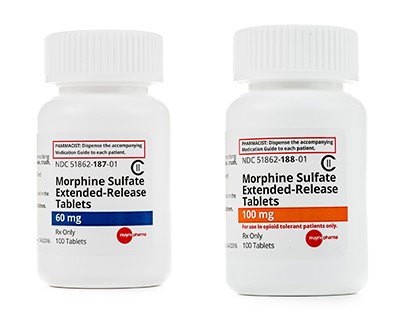
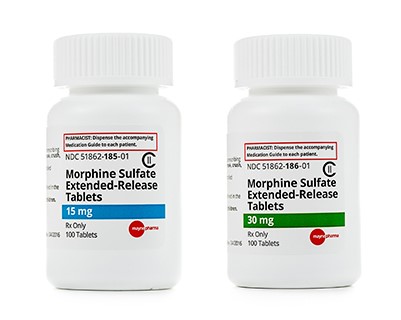

Morphine Sulfate

Price range: £110.00 through £600.00
Morphine Sulfate is a medication used to help relieve moderate to severe pain. Morphine belongs to a class of drugs known as opioid analgesics. It works in the brain to change how your body feels and responds to pain, can be used as needed in adults and children.
Morphine Sulfate in the UK: Important Information About Pain Management and Safe Use
Pain management plays a major role in modern healthcare. For patients dealing with severe pain after surgery, cancer treatment, serious injury, or long term medical conditions, doctors may prescribe strong pain relief medicines when clinically appropriate. Morphine Sulfate is one of the best known opioid medications used in hospitals and medical settings throughout the United Kingdom. GET IN TOUCH
This guide explains how Morphine Sulfate is used, how it works, possible side effects, important safety considerations, and why proper medical supervision matters.
What Is Morphine Sulfate?
Morphine Sulfate is a prescription opioid medicine used to manage moderate to severe pain. It belongs to a class of medicines known as opioid analgesics. Healthcare professionals may prescribe Morphine Sulfate when other forms of pain relief are not effective enough.
Morphine works by acting on receptors in the brain and nervous system to help reduce the feeling of pain.
In the UK, Morphine Sulfate is a controlled prescription medicine and should only be used under the supervision of a qualified healthcare professional.
When Is Morphine Sulfate Prescribed?
Doctors may prescribe Morphine Sulfate in several clinical situations, including:
- Severe post operative pain
- Cancer related pain
- Serious injury recovery
- Palliative care treatment
- Long term chronic pain under specialist supervision
- Pain management in hospital settings
Treatment plans are tailored to individual patient needs, medical history, and overall health condition.
Why Medical Supervision Matters
Morphine Sulfate is a powerful medication that requires careful monitoring. Healthcare professionals assess several factors before prescribing opioid medication.
These may include:
- Current medical conditions
- Existing medications
- Previous opioid use
- Liver and kidney function
- Breathing conditions
- Patient age and overall health
Patients should never adjust their dosage without medical advice.
How Morphine Sulfate Is Usually Taken
Morphine Sulfate may be prescribed in different forms, including:
- Tablets
- Oral solution
- Modified release capsules
- Injection in hospital settings
Patients should always follow the exact instructions provided by their doctor or pharmacist.
General safety guidance often includes:
- Take medication exactly as prescribed
- Avoid alcohol while using opioid medication
- Do not share prescription medicines
- Store medication securely
- Keep away from children
- Never exceed the prescribed dose
Possible Side Effects
Like all prescription medicines, Morphine Sulfate may cause side effects in some patients.
Common side effects may include:
- Drowsiness
- Constipation
- Nausea
- Dizziness
- Dry mouth
- Sweating
Some side effects may require immediate medical attention. Patients should seek professional advice if they experience unusual symptoms or breathing difficulties.
Understanding Opioid Safety in the United Kingdom
Across the UK, healthcare providers follow strict prescribing and dispensing standards for opioid medicines. Responsible prescribing helps support patient safety and reduce unnecessary risks.
Licensed pharmacies and healthcare professionals play an important role in:
- Patient education
- Medication safety
- Secure dispensing practices
- Monitoring treatment outcomes
- Encouraging responsible use
Patients are encouraged to speak openly with healthcare providers about concerns related to pain management or medication use.
Safe Storage and Disposal
Prescription opioid medicines should always be stored safely.
Patients should:
- Keep medication in a secure place
- Avoid leaving medicines accessible to others
- Return unused medication to a pharmacy when no longer needed
- Follow disposal guidance provided by healthcare professionals
Proper storage helps reduce accidental exposure and misuse.
Pain Management and Patient Support
Pain management often involves more than medication alone. Healthcare professionals may recommend additional support strategies depending on the patient’s condition.
These may include:
- Physiotherapy
- Lifestyle adjustments
- Specialist pain clinics
- Counselling support
- Rehabilitation programmes
- Long term care planning
Every patient responds differently to treatment, which is why individual medical advice matters.
Supporting Patients Across the United Kingdom
Patients throughout England, Scotland, Wales, and Northern Ireland rely on licensed healthcare providers and pharmacies for professional guidance and regulated care.
Healthcare access continues to evolve, with many patients now using online healthcare services for information, prescription management, and pharmacy support.
Frequently Asked Questions About Morphine Sulfate
Is Morphine Sulfate a controlled medicine in the UK?
Yes. Morphine Sulfate is a controlled prescription medication regulated under UK law.
Can Morphine Sulfate cause drowsiness?
Yes. Some patients may experience drowsiness or dizziness while taking opioid medication.
Why is professional supervision important?
Morphine Sulfate is a strong medication that requires careful monitoring to help ensure safe and appropriate use.
Can patients stop Morphine Sulfate suddenly?
Patients should always speak with their healthcare provider before making changes to prescribed medication.
Final Thoughts
Morphine Sulfate remains an important medicine in modern pain management when used responsibly and under proper medical supervision. Patients should always seek guidance from qualified healthcare professionals and use prescription medicines exactly as directed.
Reliable healthcare information, patient education, and professional pharmacy support all contribute to safer treatment outcomes across the United Kingdom.
For more information about our pharmacy services, visit: https://diazepamonlineuk.com/
| Strength | 100mg, 15mg, 30mg, 60mg |
|---|
Be the first to review “Morphine Sulfate”
Related products
Buy Sleeping Pills Online
Buy Sleeping Pills Online

Buy Opioid Online


Buy Sleeping Pills Online

Buy Pain Relief Online


Buy Opioid Online

Buy Opioid Online

Buy Opioid Online
Reviews
There are no reviews yet.