


Opana (Oxymorphone): A Detailed Guide to Uses, Risks, Safety and Responsible Pain Management
Pain management remains one of the most important areas of modern healthcare. For patients living with severe or chronic pain, prescription medications may sometimes play a role as part of a carefully supervised treatment plan. One medication that has received attention in medical discussions over the years is Opana, also known by its generic name, oxymorphone. GET IN TOUCH
This guide explains what Opana is, how it works, the potential risks involved, and why responsible medical supervision is essential when opioid medications are prescribed.
The purpose of this article is educational. Patients should always speak directly with qualified healthcare professionals before using any prescription medication.
What Is Opana?
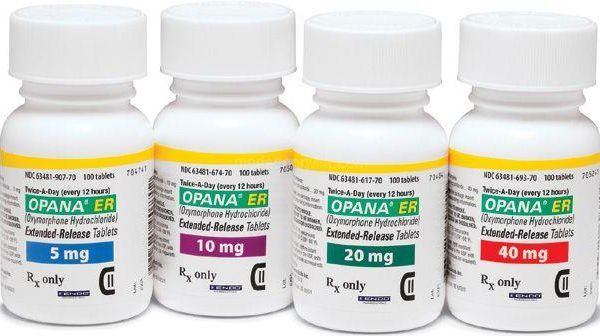
Opana is a brand name previously associated with oxymorphone, a powerful prescription opioid medication used in pain management. Oxymorphone belongs to a class of medicines known as opioid analgesics.
Healthcare professionals historically prescribed oxymorphone for the management of moderate to severe pain when other treatment options were not effective or appropriate.
Opioid medications affect receptors in the brain and nervous system that are involved in the perception of pain. Because of their potency, these medicines require strict medical oversight.
Understanding Oxymorphone
Oxymorphone is considered a strong opioid medication. It was developed for patients requiring significant pain relief under controlled medical supervision.
Doctors may evaluate several factors before prescribing any opioid medication, including:
- The severity of pain
- Previous treatment history
- Current health conditions
- Other medications being taken
- Risk factors for dependency or misuse
- Overall patient health and safety
Every patient responds differently to pain medication. What works for one individual may not be suitable for another.
Medical Uses of Opana
Historically, oxymorphone has been used in cases involving:
- Severe chronic pain
- Post surgical pain management
- Serious injury related pain
- Pain associated with certain medical conditions
- Cases where alternative treatments were insufficient
Pain management plans often involve more than medication alone. Doctors may combine treatment approaches such as physical therapy, rehabilitation, psychological support, exercise programs, and lifestyle adjustments.
Why Opioid Safety Matters
Opioid medications carry serious risks when not used correctly. Over the last decade, healthcare authorities worldwide have increased awareness around opioid safety, addiction risks, and responsible prescribing practices.
Patients should understand that opioids can cause:
- Physical dependence
- Tolerance over time
- Addiction risks
- Respiratory depression
- Sedation and drowsiness
- Dangerous interactions with other substances
This is why opioid medicines should never be taken without proper medical supervision.
Common Side Effects
Like many prescription medications, oxymorphone may cause side effects.
Some commonly reported side effects associated with opioid medications include:
- Drowsiness
- Dizziness
- Nausea
- Constipation
- Dry mouth
- Fatigue
- Sweating
- Headache
Patients experiencing severe side effects or unusual symptoms should seek immediate medical attention.
Serious Risks and Warnings
Healthcare providers carefully monitor opioid use because of potentially serious complications.
Important risks may include:
Respiratory Depression
Opioids can slow breathing, especially when taken incorrectly or combined with alcohol or sedative medications.
Dependence and Addiction
Long term opioid use may increase the risk of physical dependence or opioid use disorder.
Overdose Risk
Taking more than the prescribed amount significantly increases the risk of overdose.
Drug Interactions
Combining opioids with alcohol, benzodiazepines, sleeping tablets, or other sedatives can be extremely dangerous.
Responsible Pain Management
Modern healthcare increasingly focuses on balanced and responsible pain management strategies.
Doctors may recommend:
- Non opioid pain relief where appropriate
- Physical rehabilitation
- Lifestyle adjustments
- Psychological support
- Physiotherapy
- Specialist pain management clinics
- Careful prescription monitoring
The goal is to improve quality of life while reducing unnecessary risks.
The Importance of Licensed Pharmacies
Patients should only obtain prescription medications from properly regulated and licensed healthcare providers.
A professional pharmacy prioritises:
- Patient safety
- Prescription verification
- Secure dispensing procedures
- Confidentiality
- Professional healthcare guidance
- Responsible medication practices
Patients should avoid unsafe or unverified sources claiming to sell prescription medicines without appropriate safeguards.
Opioids and Public Health Awareness
Healthcare authorities across the world continue to promote education around opioid safety.
Public awareness campaigns often focus on:
- Responsible prescribing
- Safe storage of medications
- Avoiding medication sharing
- Recognising overdose symptoms
- Understanding dependency risks
- Access to support services
Education plays an important role in helping patients make informed healthcare decisions.
Questions Patients Often Ask
Is Opana still prescribed?
Prescription practices vary depending on the country, healthcare regulations, and medical guidance.
Can opioids become addictive?
Yes. Opioid medications carry a known risk of dependence and addiction, especially when not used as directed.
Should opioid medication be taken long term?
Treatment duration depends on individual medical circumstances and should always be determined by qualified healthcare professionals.
Are there alternatives to opioid pain medication?
In some cases, healthcare providers may recommend non opioid medications or additional therapies depending on the condition being treated.
Final Thoughts
Pain management is a complex area of healthcare that requires careful medical assessment, patient education, and responsible prescribing practices.
Understanding how medications like oxymorphone work, along with the risks involved, helps patients make informed decisions alongside qualified healthcare professionals.
Reliable healthcare information, professional medical advice, and regulated pharmacy practices remain essential for patient safety.
For more healthcare information and pharmacy support, visit our homepage: https://diazepamonlineuk.com/
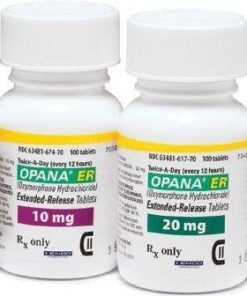
| Strength | 10mg, 20mg |
|---|
Be the first to review “Opana”
Related products


Buy Sleeping Pills Online
Buy Pain Relief Online

Buy Pain Relief Online
Buy Opioid Online

Buy Opioid Online


Buy Opioid Online

Buy Opioid Online
Buy Opioid Online
Reviews
There are no reviews yet.