
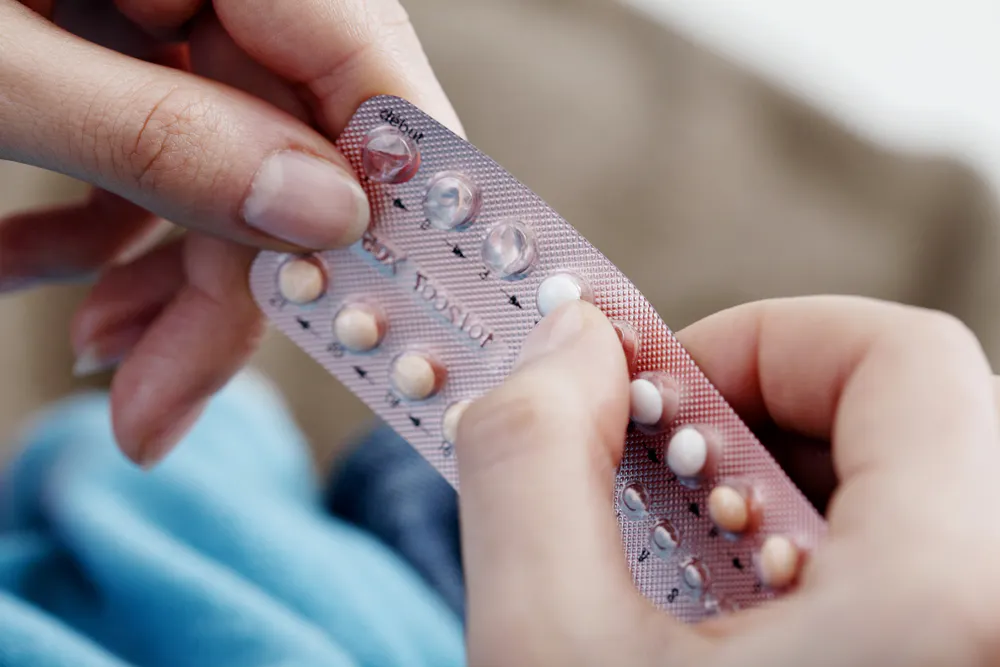

Does The Pill Affect Fertility? Separating Myth from Fact
Choosing a method of birth control is a major decision, and it is entirely natural to wonder about the long-term implications. For decades, one question has persisted among patients: does the pill affect fertility once you decide to stop taking it? GET IN TOUCH
The short answer is no. Decades of clinical research show that oral contraceptives do not cause infertility or permanently alter your ability to conceive.
As a fully licensed pharmacy operating with all necessary regulatory approvals, we believe in providing clear, accurate health information alongside reliable access to medication. If you are exploring contraceptive options or managing your reproductive health, you can visit our Pharmacy homepage to learn more about our verified pharmaceutical services.
What Happens When You Stop Taking the Pill
The pill works by introducing synthetic hormones that temporarily prevent your ovaries from releasing an egg. Once you stop taking the medication, these synthetic hormones leave your system quickly—usually within a few days.
For most people, a normal ovulatory cycle returns within one to three months. In fact, it is entirely possible to become pregnant during your very first cycle after stopping the pill.
Understanding Post-Pill Amenorrhea
Sometimes, it takes a little longer for a regular period to return. This delay is known as post-pill amenorrhea. If your cycle takes a few months to regulate, it is rarely because of the pill itself. Instead, your body is simply resetting its natural hormone production.
If you had irregular periods before you started birth control, those original patterns will likely return once you stop. The pill essentially “pauses” your natural cycle; it does not permanently rewrite it.
Other Factors to Consider
When pregnancy doesn’t happen immediately after stopping the pill, other underlying factors are typically at play, including:
-
Age: Fertility naturally changes over time, regardless of whether you used birth control.
-
Underlying Conditions: Issues like Polycystic Ovary Syndrome (PCOS) or endometriosis can impact conception. The pill often masks the symptoms of these conditions while you take it, leading people to believe the pill caused the issue afterward.
-
Lifestyle Factors: Stress, diet, weight, and tracking ovulation accurately all play significant roles in the timeline of conception.
If you have been off oral contraceptives for over six months and your cycle hasn’t regularized, or if you are under 35 and have been actively trying to conceive for a year, it is a good idea to speak with a healthcare provider or fertility specialist to explore your overall reproductive health.
Safe and Documented Global Care
Whether you are managing contraception or planning for a future family, having a dependable pharmacy partner matters. We provide safe, fully compliant access to medications across the USA, UK, Europe, Australia, and Asia. Our focus is on regulatory compliance and verified medical information, ensuring you have the resources you need at every stage of your health journey.
Be the first to review “Does The Pill Affect Fertility?”
Related products


Buy ADHD Online

Buy Opioid Online
Uncategorized
Buy Sleeping Pills Online

Buy Opioid Online
Buy Sleeping Pills Online


Buy Opioid Online

Buy Opioid Online
Reviews
There are no reviews yet.