








Diazepam Roche: A Clear Guide for UK Readers
Diazepam Roche, widely recognized under the original brand name Valium developed by Roche, is a long-acting benzodiazepine commonly prescribed for the management of anxiety disorders, acute muscle spasms, seizure activity, and symptoms associated with alcohol withdrawal. GET IN TOUCH
It works by enhancing the activity of gamma-aminobutyric acid (GABA), a key inhibitory neurotransmitter in the brain. By increasing GABA’s calming effect on the central nervous system, diazepam produces noticeable anxiolytic, sedative, muscle-relaxant, and anticonvulsant properties.
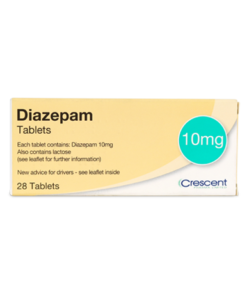
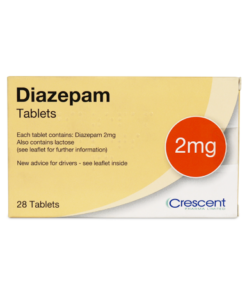
In clinical practice, diazepam is typically prescribed in adult doses ranging from 2 mg to 10 mg, depending on the condition being treated and the patient’s response. Because of its potency and relatively long half-life, it is generally recommended for short-term or carefully monitored use.
Prolonged or improper use can lead to tolerance, physical dependence, and side effects such as drowsiness, impaired coordination, and cognitive slowing. For that reason, healthcare providers usually take a cautious approach, balancing its therapeutic benefits against the potential risks.
If you’re looking into Diazepam Roche, you probably want straight answers. What it does, how it’s used, and what to watch out for. There’s a lot of mixed information online, so it helps to cut through that and keep things grounded.
Let’s walk through it properly.
What Diazepam Roche Is
Diazepam, often recognized under the Roche branding, is part of a group of medicines called benzodiazepines. It’s commonly prescribed in the UK for conditions like anxiety, muscle spasms, and sometimes for short-term relief of severe stress.
Doctors may also use it in hospital settings for sedation or to manage seizures.
It works by calming activity in the brain. That’s why people feel more relaxed after taking it.
How It’s Used in the UK
Across England, Wales, Scotland and Northern Ireland, diazepam is a prescription-only medication. That’s important.
It’s usually prescribed for short-term use. Not because it doesn’t work, but because long-term use can lead to dependence.
Typical medical uses include:
- Anxiety and panic symptoms
- Muscle tension or spasms
- Alcohol withdrawal support
- Sleep issues linked to acute stress
The exact dose and duration depend on the individual. There’s no one-size-fits-all approach.
What It Feels Like
Most people describe the effects as calming and sedating. It can reduce anxiety fairly quickly, which is why it’s often prescribed for short-term relief.
You might notice:
- Reduced tension
- A sense of calm
- Drowsiness
- Slower reaction time
That last point matters. Activities like driving or operating machinery can become unsafe.
Risks and Side Effects
This is where people need to pay attention.
Diazepam is effective, but it’s not risk-free. Some of the more common concerns include:
- Drowsiness and fatigue
- Memory issues
- Reduced coordination
- Dependence with prolonged use
Tolerance can build over time. That means the same dose becomes less effective, which can lead people to increase it without medical guidance. That’s where problems start.
Withdrawal is another issue. Stopping suddenly after regular use can lead to symptoms like anxiety, restlessness, and sleep disruption.
Why Regulation Matters in the UK
In the UK, diazepam is classified as a controlled drug. That’s not just bureaucracy. It reflects the potential for misuse and dependence.
Any legitimate use should involve a qualified healthcare professional. That protects both safety and legality.
Online Searches and Caution
A lot of people search for Diazepam Roche online. That’s understandable. Convenience plays a role.
But this is where caution is needed. Not every online source is reliable or safe. Quality, authenticity, and legal compliance all matter.
If you’re looking for general information, you can visit
https://diazepamonlineuk.com/
Just keep in mind that medical decisions should never rely on a single website.
Final Thoughts
Diazepam Roche is a well-known medication with real clinical value. It can help when used properly, under the right conditions, and for the right reasons.
But it’s not something to treat casually.
If you’re researching it, focus on understanding both sides. The benefits and the risks. That’s how you make informed decisions, not just quick ones.
| Tablets | 250 tabs, 500 tabs, 1000 tabs |
|---|
Be the first to review “Diazepam Roche”
Related products
Buy Situational Anxiety Online


Diazepam


Diazepam
Reviews
There are no reviews yet.